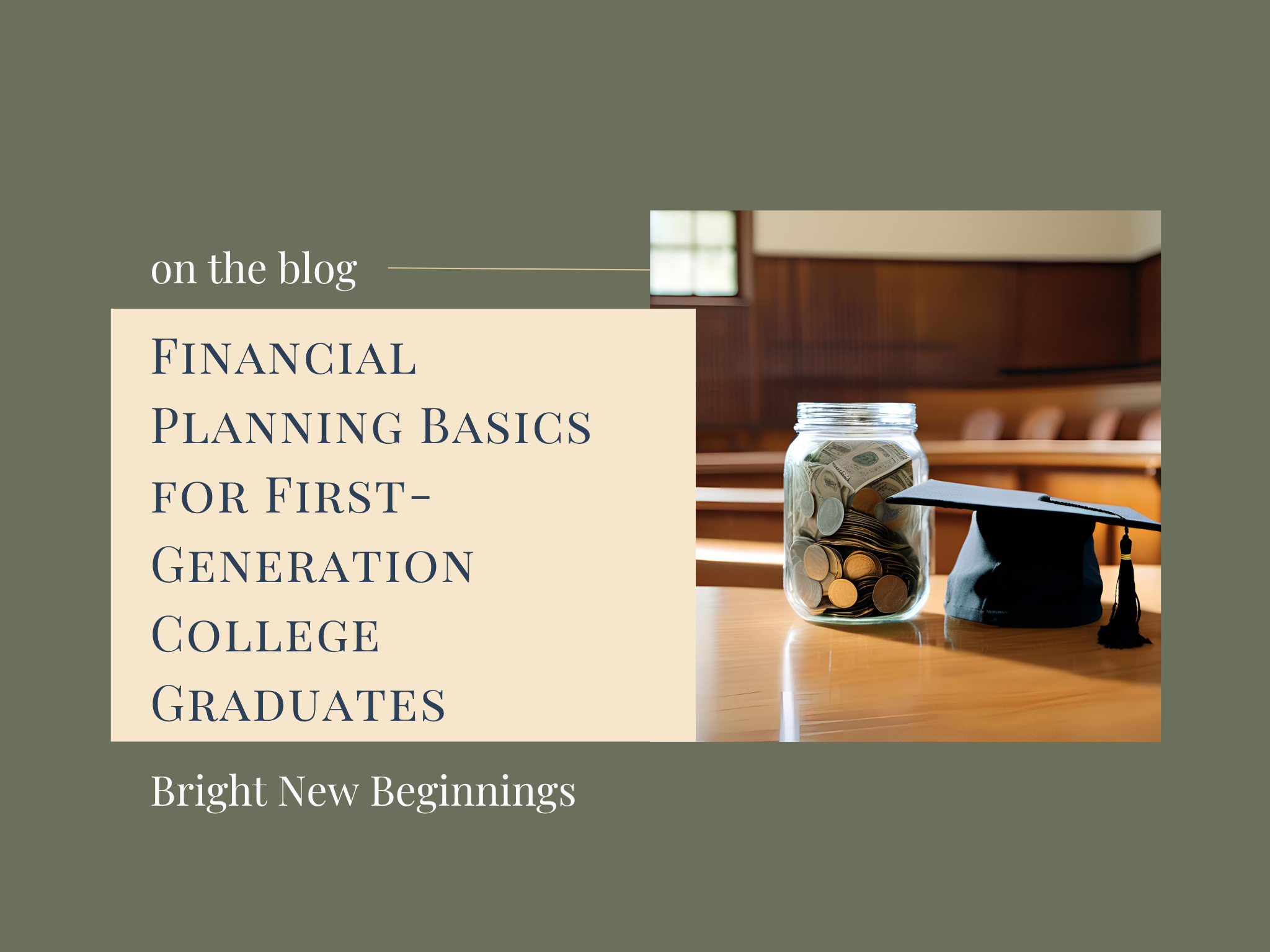
Navigating life after college graduation can be exhilarating—and overwhelming.
I remember the challenges I faced when I graduated college: where would I live that didn’t require landlord references and a track record of steady, full-time employment? How do I budget, manage debt, and still enjoy life as a young 20-something-year-old?
If I could go back in time, it would be to this era: the time after I graduated college, landed my first full-time job, and managed to secure an apartment on my own. In retrospect, I wish I would have built healthy financial habits, including around saving and investing, during this period in my life. Present-time me would be in a much better financial position had I developed healthy habits early on and built up an investment portfolio, even though I wasn’t making much. I know now that time in the market matters, even in small amounts!
To this day, I continue to learn more and more about financial literacy and I like to share what I learn. In fact, just a few days ago, I had a call with someone who wanted to learn more about creating inter-generational wealth. And it’s not the first time I’ve a conversation like that, especially with first-generation college graduates who are now working professionals. During these money chats, I’m often encouraged to share tidbits of knowledge with others so I’m using the blog as a place to share helpful information.
Whether it’s college or law school, my hope is that you will increase your earning potential with these advanced degrees. It’s important for you–now and in the future–to plan what you’re going to do with your increased earnings.
As a first-generation college graduate, you may feel the need to balance personal aspirations with family expectations. Financial planning is essential to managing these dual responsibilities while building a solid foundation for your future. Whether your goals include buying a home, paying off student loans, or supporting your family, smart financial planning will empower you to achieve them.
Here are some ideas on how to get started:
1. Define Your Financial Goals
The first step in financial planning is setting clear and achievable goals. Start by asking yourself: What does financial success look like for me? This could mean building an emergency fund, saving for a down payment on a home, paying off student loans, or even creating a plan to support loved ones financially. I like to encourage people to dream big in this phase. So if traveling the world is on your bucket list, it’s important to start planning for it early!
• Be specific: Instead of saying, “I want to save money,” try “I will save $10,000 over the next two years.”
• Set priorities: If you have multiple financial goals, identify which ones are most important and tackle them step by step.
2. Create a Simple Budget Using the 50/30/20 Rule
A budget gives you control over your finances, helping you direct your money toward what matters most. There are so many ways to budget, from using pen and paper to apps.
If you’re new to budgeting, as all of us are at one point in our lives, an easy framework to start with is the 50/30/20 rule:
• 50% for Needs: Rent, utilities, groceries, and transportation.
• 30% for Wants: Dining out, entertainment, or hobbies.
• 20% for Savings and Debt Payments: This portion may cover emergency savings, student loan payments, and other long-term savings goals.
You can adjust the percentages to better reflect your situation. If your student loans require higher payments, you might reduce spending on “wants” temporarily.
3. Build an Emergency Fund
An emergency fund is your safety net for life’s unexpected challenges—whether that’s a medical emergency, car repair, or a job transition. Aim to set aside 3-6 months of living expenses in a high-yield savings account to allow you to earn interest on your saved funds. Having this cushion means you can handle surprises without disrupting your financial plans.
• Start small: Even saving $50 per month can add up over time.
• Automate savings: Set up an automatic transfer from your checking to savings account each payday to stay consistent.
4. Track Your Spending
Tracking your spending helps you understand where your money is going and identify areas where you can cut back. Apps like Monarch are useful tools that categorize expenses and provide insights into your financial habits.
• Monitor monthly trends: Check in on your budget at the end of each month to see if you stayed on track.
• Adjust as needed: If you notice overspending in certain areas, tweak your budget to reflect your real-life needs better.
Final Thoughts
Financial planning is an ongoing journey—one that requires flexibility and persistence. The habits you build now will set you up for long-term stability and freedom. With clear goals, a simple budget, a growing emergency fund, and mindful spending, you’ll be better prepared to handle both planned milestones and life’s surprises.
Taking control of your finances is an empowering step toward building the life you want for yourself and those you care about. You’ve got this! 🎓
For more tips and tools, subscribe to my blog and gain exclusive access to my Scholarship Guide. It’s packed with resources to help you fund your education, minimize debt, and achieve your financial goals. Let’s navigate this journey together!







Leave a Reply