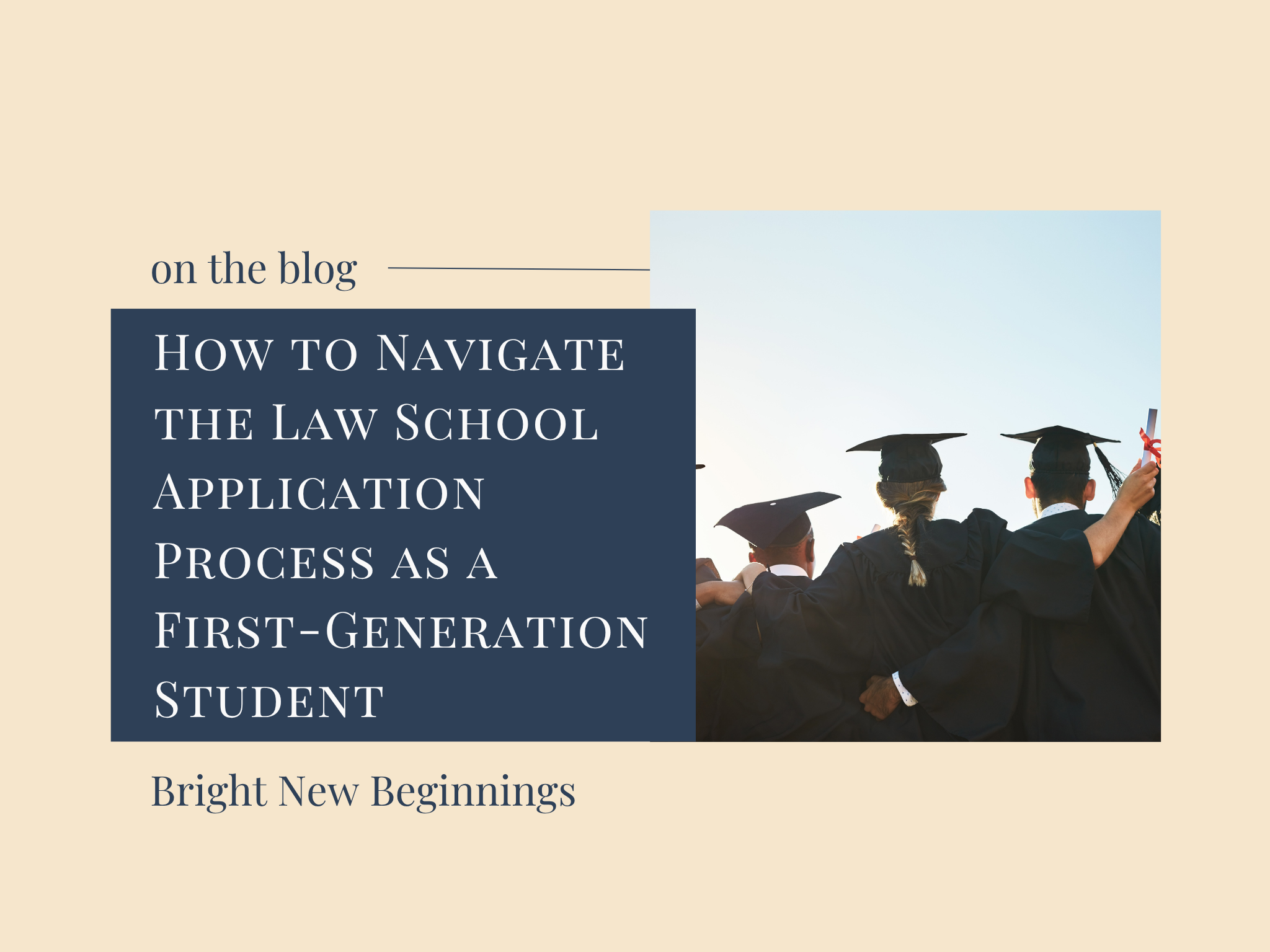
Embarking on the journey to law school as a first-generation student is both exciting and daunting. You might feel like you’re stepping into uncharted territory, but you’re not alone. Many before you have successfully navigated this path, and with the right strategies, you can too.
1. Embrace Your Unique Perspective
As a first-gen student, your background and experiences are powerful assets. Don’t shy away from them—highlight them! Law schools value diversity in their student body, and your story can set you apart. Whether it’s overcoming challenges or advocating for your community, these experiences can enrich your personal statement and interviews.
Make sure that you are offering your unique story, experiences, or voice to your application materials. One common pitfall I see from first-gen students is that they highlight the communities they are from, not their own personal experiences. Of course, you should proud of where you come from. But your personal statement should be personal; that is, it should be an opportunity for the reader or interviewer to get to know you. Tell your story.
If you’re having a hard time writing about yourself because you are feeling unqualified or unworthy, then you may be experiencing something commonly referred to as “imposter syndrome.” While this term can be useful because it’s commonly used, I’m not a fan of using it. The term allocates the issue with the person experiencing the harm and not on the entity producing the harm. I often find that patriarchy, meritocracy, or white supremacy and the way we internalize messages of these oppressive systems cause one to doubt themselves, question their abilities, or make them shy away from opportunities because they believe themselves to be unworthy. If you’re struggling internally with these thoughts, you’re not alone. I encourage you to seek mentorship or guidance. Which leads me to my next tip!
2. Seek Out Resources and Mentorship
Finding guidance is crucial. Look for pre-law advisors, join first-gen student groups, and connect with law school alumni. Mentors who have been through the process can provide invaluable advice, from LSAT prep to navigating financial aid to overcoming feelings of non-belonging. Additionally, some organizations and law schools offer specific resources for first-gen students—take advantage of these opportunities!
3. Plan Your Finances Early
Law school is a significant financial commitment, so start planning as early as possible. Research scholarships specifically for first-gen students, and consider applying for fee waivers for the LSAT and application fees. Understanding the cost of attendance and exploring financial aid options will help you make informed decisions about where to apply and how to manage your expenses. Also, if you will depend on loans, make sure that you understand how they work and make a plan for how you will pay them off with the least amount of stress to you and your family.

Thinking about law school? Before you apply, check out my workbook on planning for law school application costs — it breaks down common expenses from LSAT prep to travel and helps you budget smartly.
Check it out along with other workbooks in my Shop
4. Prepare Strategically for the LSAT
The LSAT is a major component of your application, but it doesn’t have to be intimidating. Begin your preparation early, and use a variety of study resources, including free or low-cost options available to first-gen students. Once you nail down the strategies, keep practicing. As you practice, your timing will improve and then you can practice under timed conditions. Consider taking a prep course if you need it to tackle any weak spots in your preparation if it’s within your budget. Remember, a solid LSAT score can open doors to scholarships and increase your chances of admission at schools that consider LSAT scores.
5. Write a Compelling Personal Statement
Your personal statement is your opportunity to tell your story—make it count. Reflect on your journey, the obstacles you’ve overcome, and what drives you to pursue a legal career. Be authentic, and show how your background has shaped your aspirations. A well-crafted personal statement can resonate with admissions committees and leave a lasting impression.
Make sure that you ask at least three people to review your personal statement and to give you feedback. Rely on your friends or professional contacts to provide you with their feedback on your personal statement and other application materials that you author.
6. Build a Support System
Applying to law school can be stressful, but you don’t have to do it alone. Surround yourself with a support system, whether it’s family, friends, or fellow first-gen students. They can offer encouragement, keep you grounded, and remind you of your strengths when the process feels overwhelming.
Also, you can start networking early and build up a network of folks who will support you and want to see you succeed and can share opportunities that may be a good fit for you. I encourage you to use LinkedIn to connect with professionals and ask for informational interviews.
7. Trust in Your Abilities
Finally, trust yourself. You’ve already accomplished so much to get to this point, and you have what it takes to succeed in law school. Believe in your potential, and remember that your journey as a first-gen student is a testament to your resilience and determination.
Navigating the law school application process as a first-generation student is challenging, but with the right approach and resources, you can make your dream a reality. Keep pushing forward—you’ve got this!





Leave a Reply